
Character Arcs Everywhere
or, a list of movies where characters change or don't, for better or worse

Draft Zero’s new episode [patreon subscribers can get the unedited two hour version now; the shorter version to follow next week] is a freewheeling introduction to our upcoming series on character arcs.
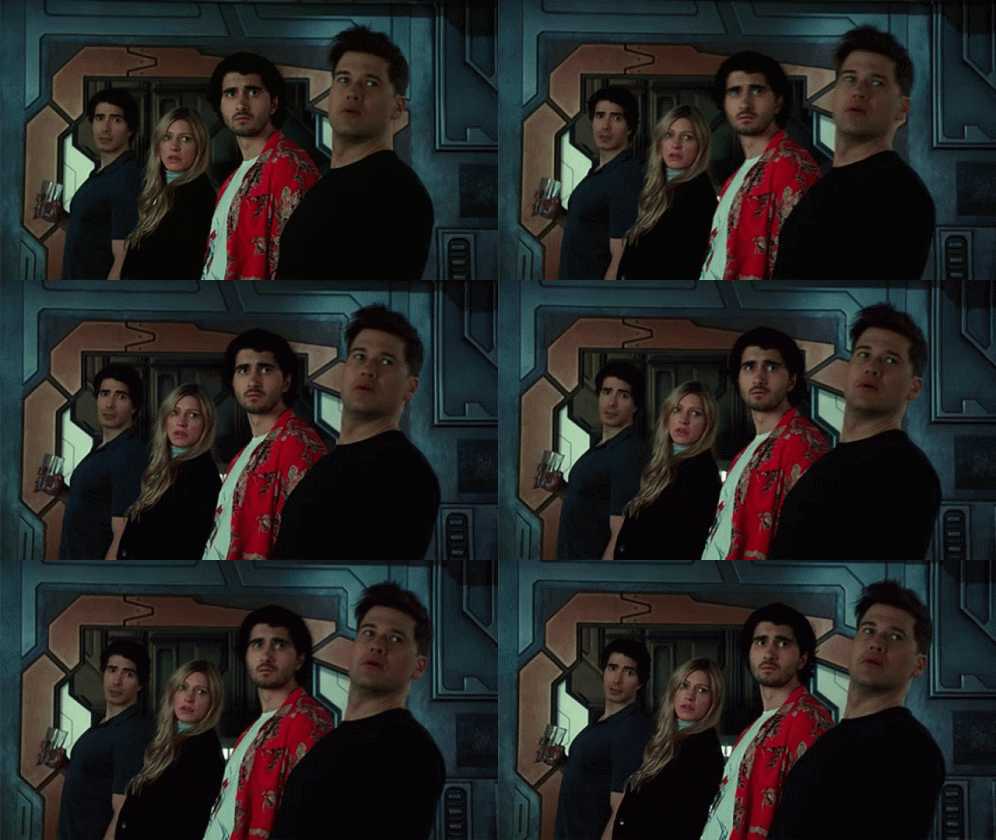
At some point, I got carried away listing off recent(ish) films and TV episodes I thought would work to discuss in our three-to-four episodes.
I wanted them in one neat place but without the very loosest categorization (I may return and organize as we go through the series), and as you can see it’s been a while since I’ve seen some of these so I have thoughts and suggestions but it may change when I revisit the films and/or scripts.
For fun and reference, here we are! Plus, I’ve draw the four-quadrant chart I discussed, with samples of where I’d place certain iconic characters.
In Short or Real Time
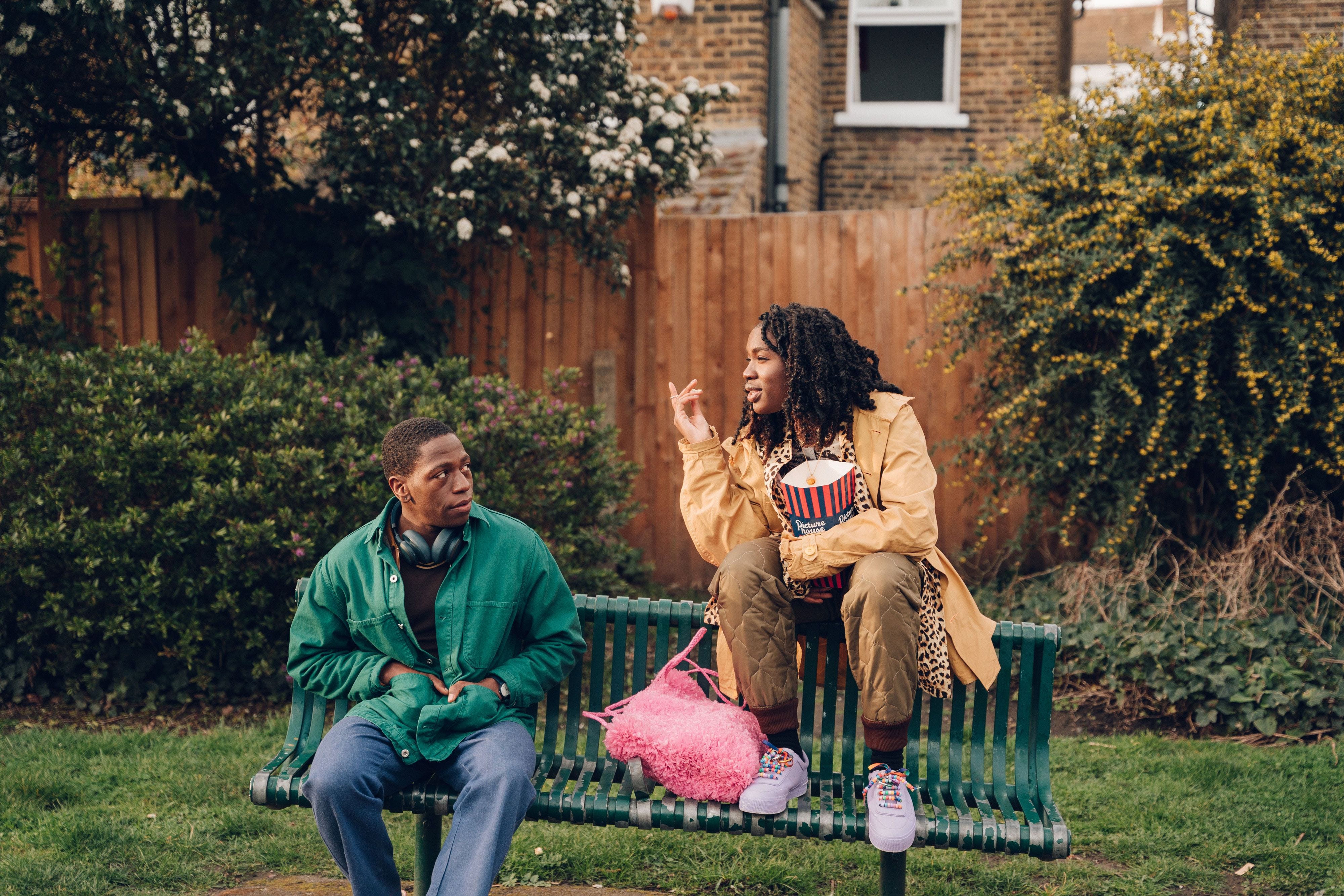
Rye Lane — two people entering a new relationship
Saint Omer — it’s really just the courtroom, but the flashbacks are informative (similar basic setup to Anatomy of a Fall, but actually a counterpoint in many ways, as you can see through the techniques they each use.)
The Kid Detective — is disillusionment actually change?
Melancholia — likely steadfast; is this for better or worse?
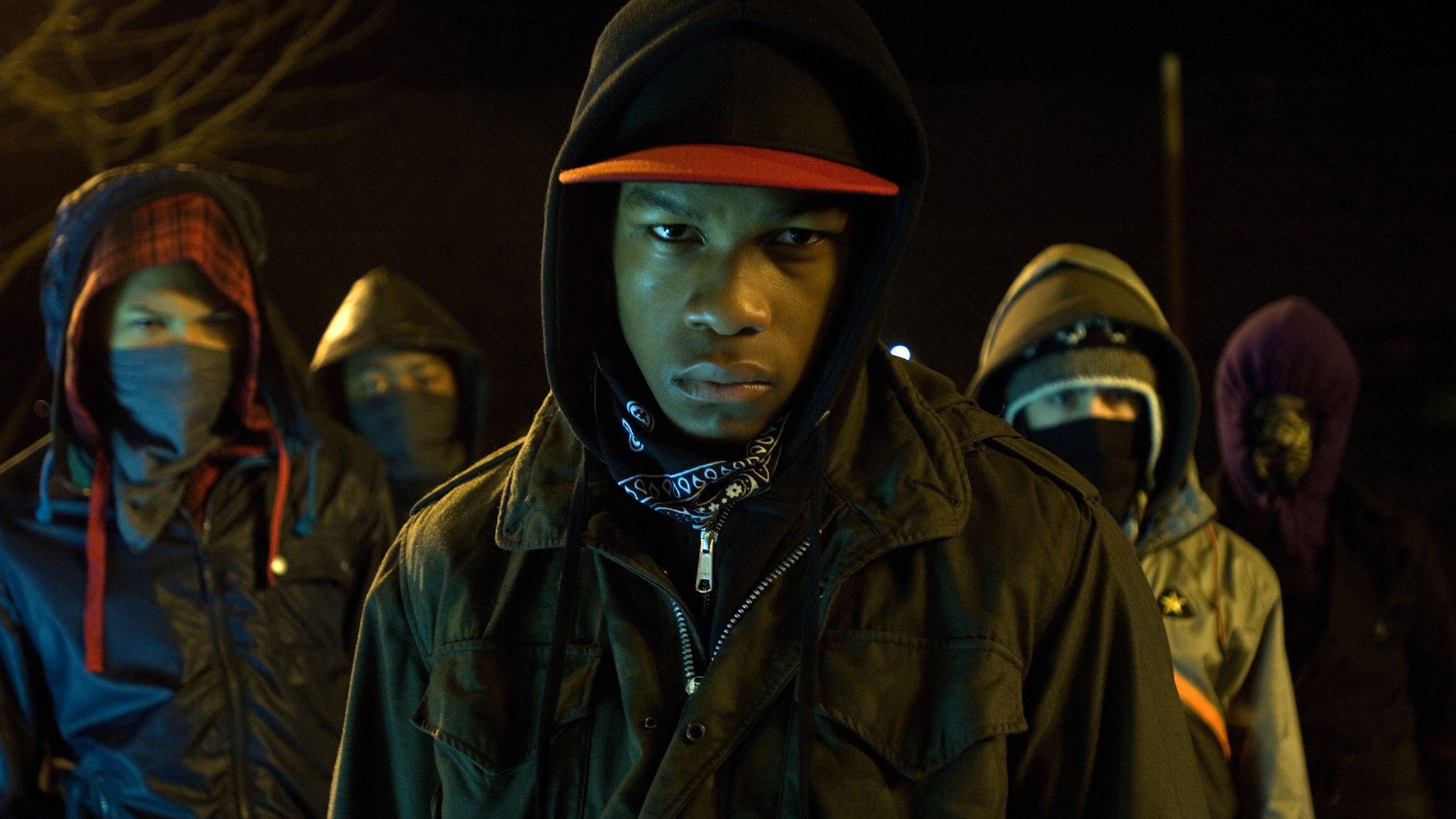
Attack the Block — mostly Moses (John Boyega), but can talk about the rest of the gang, and also Sam (Jodie Whitaker), who may not greatly change but who DOES display one significant difference after her experience.
Over Time
The Green Knight — steadfast, for the best
Hit Man — two characters, one who plays a dozen others
First Cow — two steadfast, or one steadfast and one changing
The Godfather — changing for the worst
Polite Society — coming-of-age, which can really be its own subcategory here; do many coming-of-age stories for teens ever stay the same or change for the worse?

Red Hook Summer — one coming-of-age, one question of can someone who does certain horrible things change?
Past Lives — DOES the main character change at all?
Bottoms — who changes, who doesn’t, from the main two / four / fight club?
Emily the Criminal — is the change for better, or worse?
Sound of Metal — look at change entirely forced by external circumstances; no choice but to ‘accept the call’
First Reformed — does not change; for the better AND worse?
The VVitch — parents remain the same, for the worse. child changes; for better, or worse?
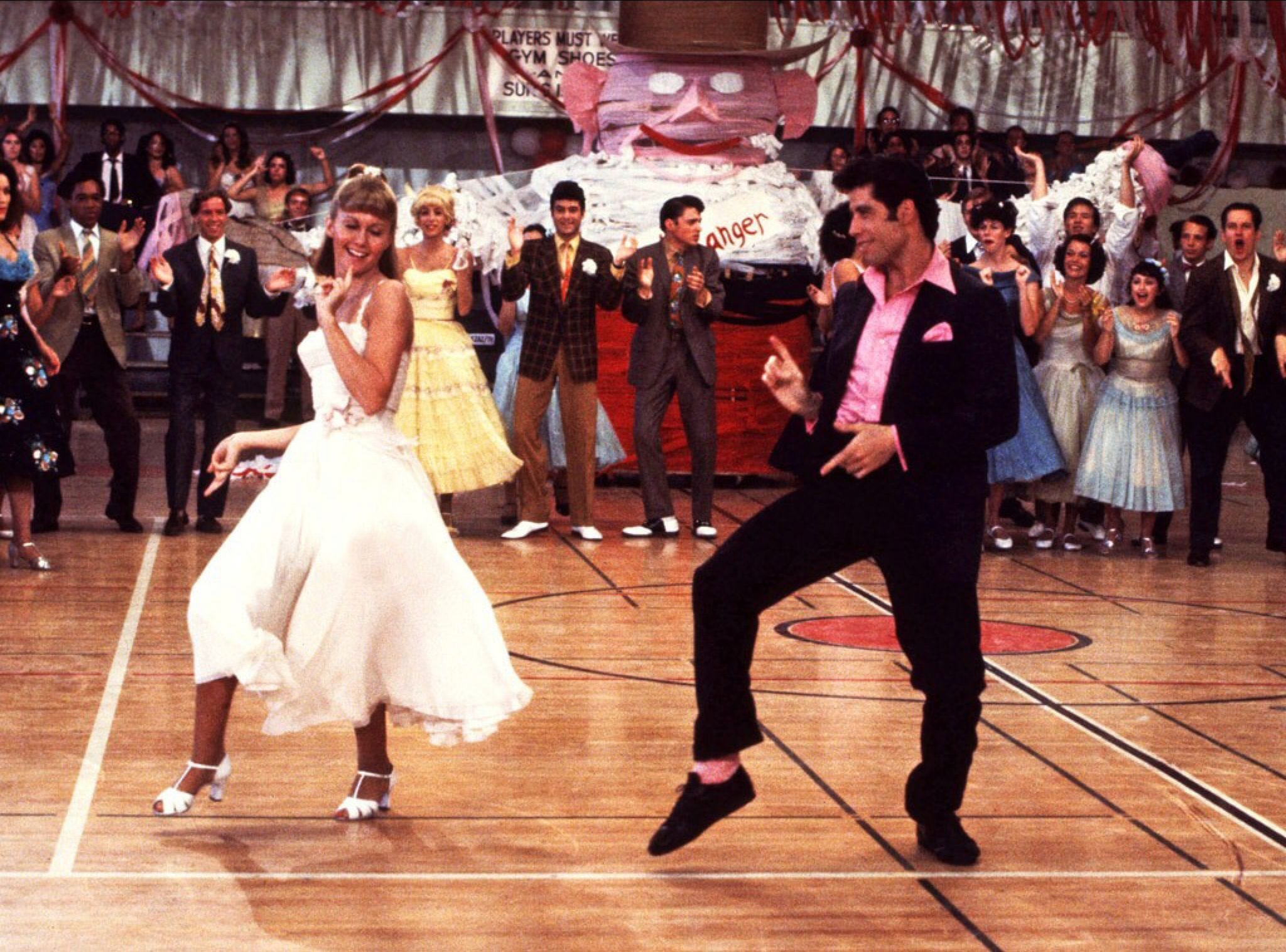
Grease — oldest pull by far, but chosen because of the ubiquity of The Discourse about changing for a man . . . here’s the thing, DO the main characters actually change, or only feint towards it to get what they want / appease their friends?
Lars and the Real Girl — he changes the world (town) around him, but does he actually change?
Tully — um, spoilers, heavy spoilers. but demonstrates change through showing two versions of the same character simultaneously, though you do not know it at first; could possibly fit into the next category . . .
Loops and Fantasy Worlds
Palm Springs — loops! (could also do Russian Doll first/last as a discussion on how TV and film differ with loops?)
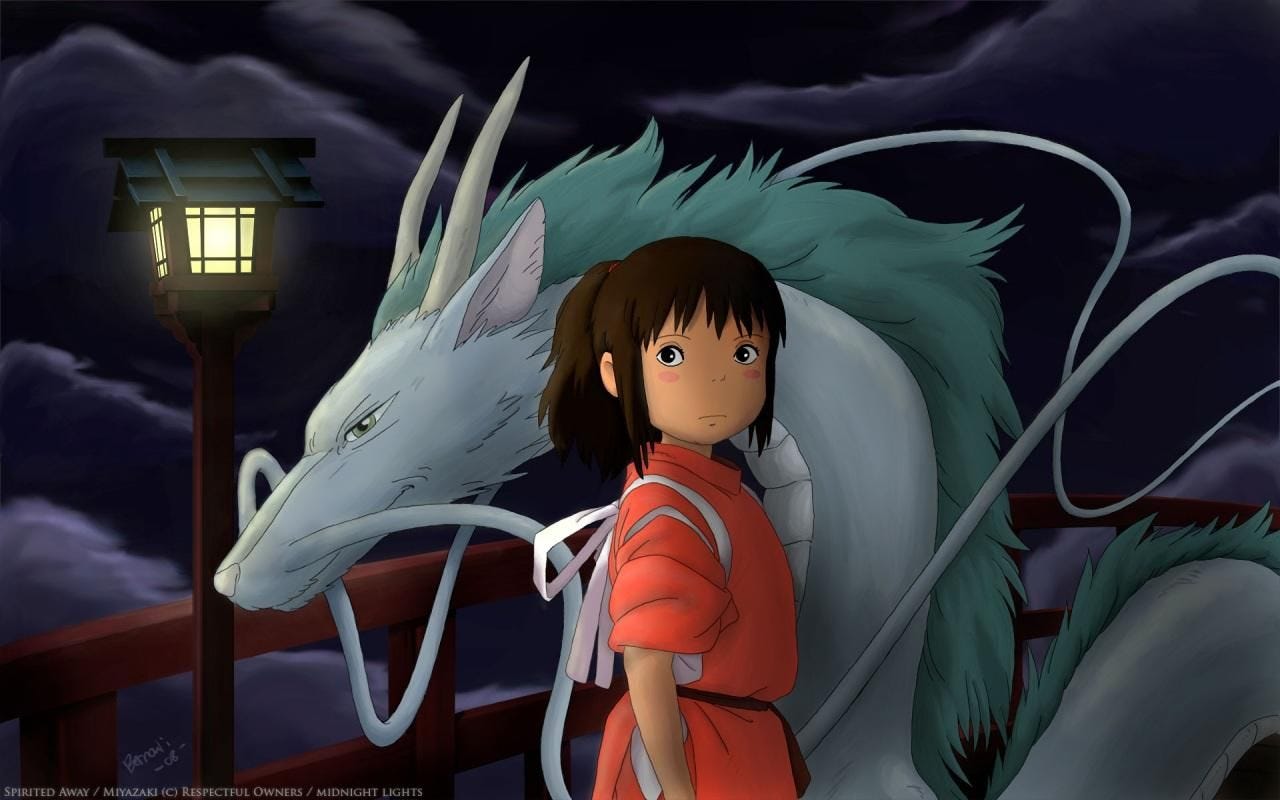
The Fall — I would like in particular to talk about whether the main characters in The Fall and Spirited Away do change in the ‘real world’ or if they only change in their fantasies, and why we think this . . . and if it matters.
Spirited Away — another coming-of-age film.
Television
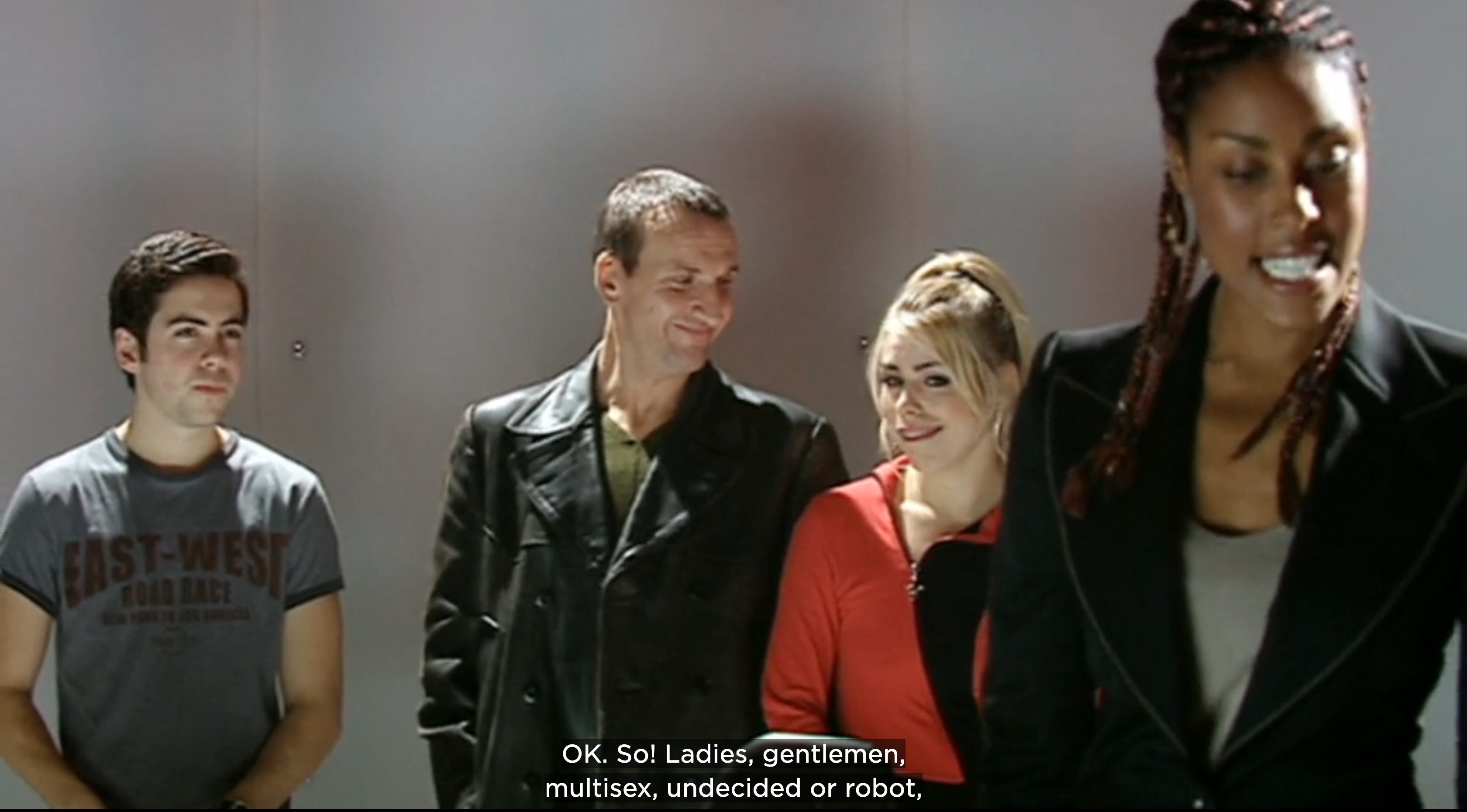
Doctor Who — pick one Doctor or one Companion, do first/last episode of their run [no specials]; OR! just do the utterly perfect “Heaven Sent.”
Xena: Warrior Princess — both Xena and Gabrielle, pilot and finale
Better Call Saul — pilot and finale
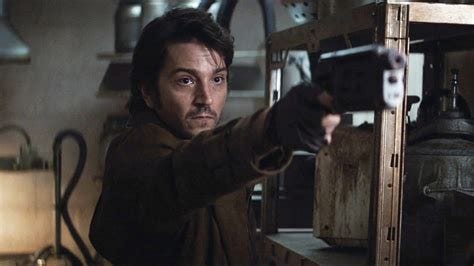
Andor — pilot and Rogue One
are Saul Goodman and Cassian Andor fresh in my mind because
I’ve written about how they are mirror images of each other
including how we KNOW their end point when we ‘meet’ them?
perhaps.
I Changed My Mind
Magic Mike XXL — I want to do this along with Paddington 2 and A Quiet Place: Day One as sequels which fundamentally change the conceit of, and then surpasses, their origin films.
To head off the main arguments this assertion always gets:
The Godfather Part II is deeply exploratory but does not shift any of our understanding of the world the first film built;
The Empire Strikes Back is quite clearly a Part 2 of a trilogy;
you can argue for ALIENS or Terminator 2, but they are exhaustively covered as sequels. Plus, while they are incredible and do somewhat shift which genre(s) are central, I do not think they shift style or conceit as drastically as the others I propose.


MM:XXL moves from a ‘save our clubhouse!’ character drama, to a roadtripping buddy comedy. A Quiet Place: Day One leaves the first two films’ established world and rules and characters, and begins with completely different characters meeting and making up rules as they go.
Anyway, that’s what that swerve is all about.
Chart
I talk in the episode about my Quadrant Chart: this is what I have come up with.
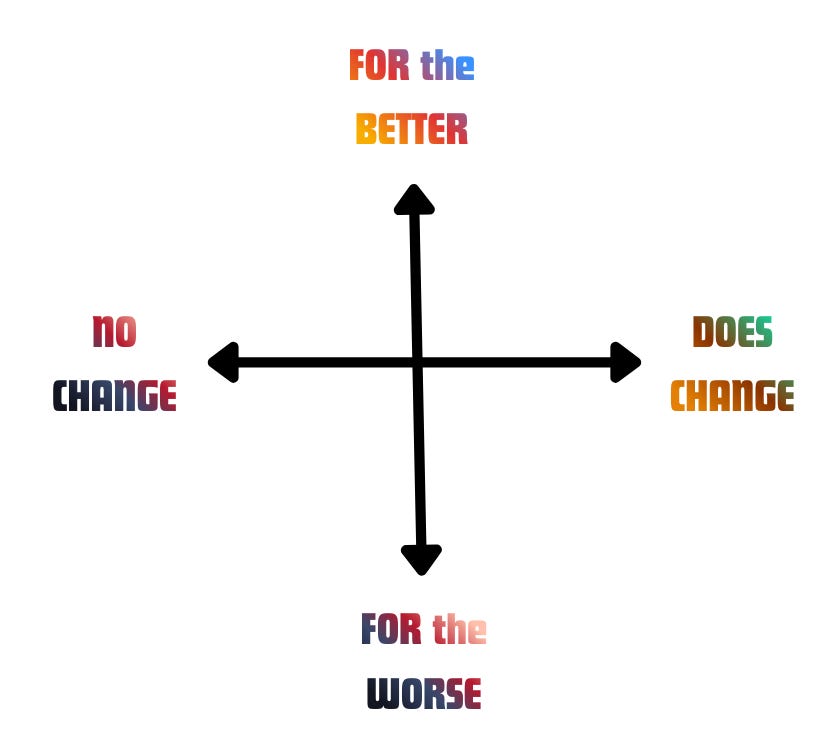
And for example where I would place certain characters along it (this is p broad, but you get the idea). I’d say the further they are along the ‘no change’ axis involves the more opportunities they have for change; which is related to, but not purely dependent on, time.
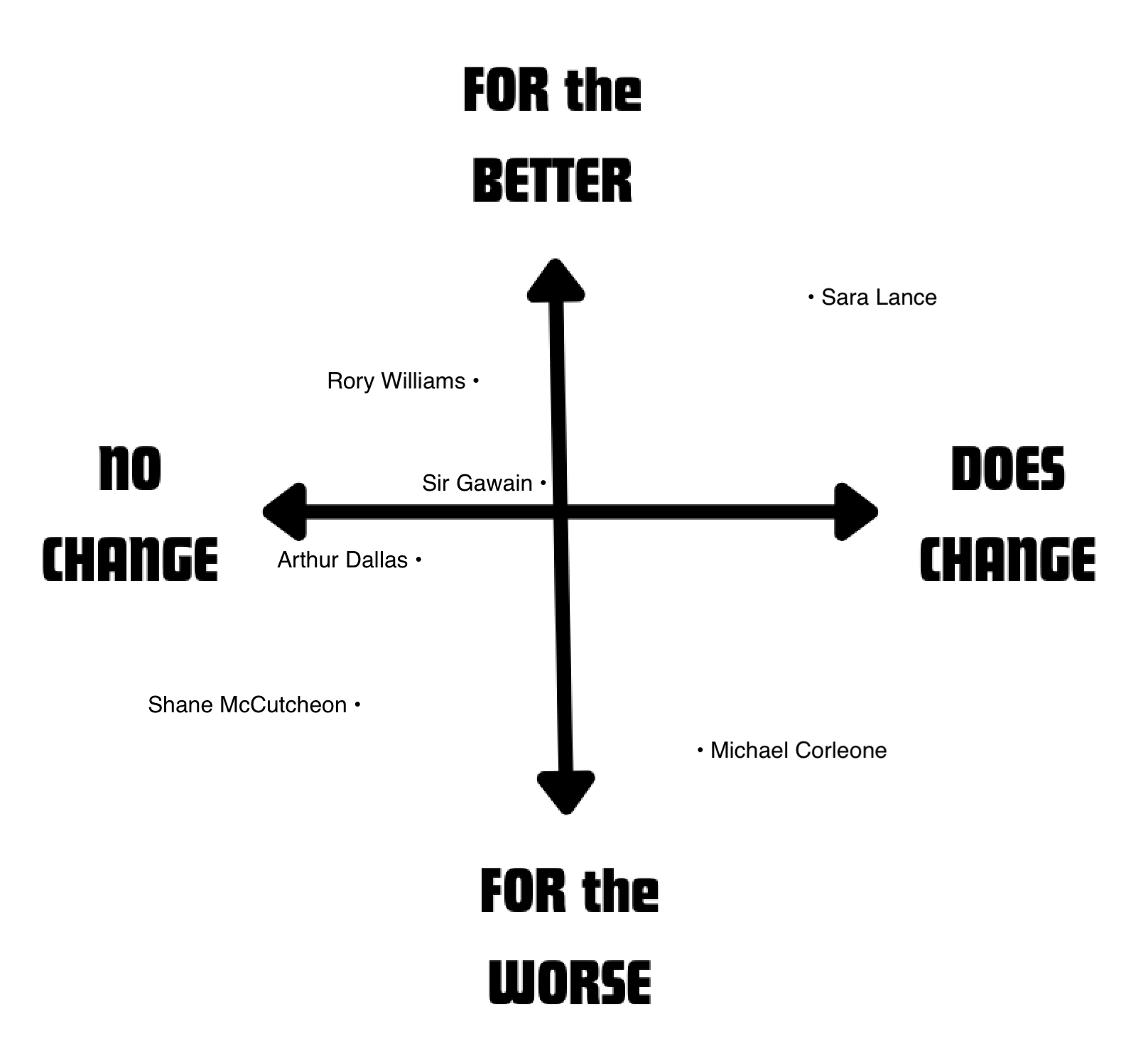
Voila! Them’s my pre-lim thoughts.
Hope you’ll come along for the whole Draft Zero sojourn, where I think I am about to learn a lot about character arcs . . .